Trace roof runoff to its outlet
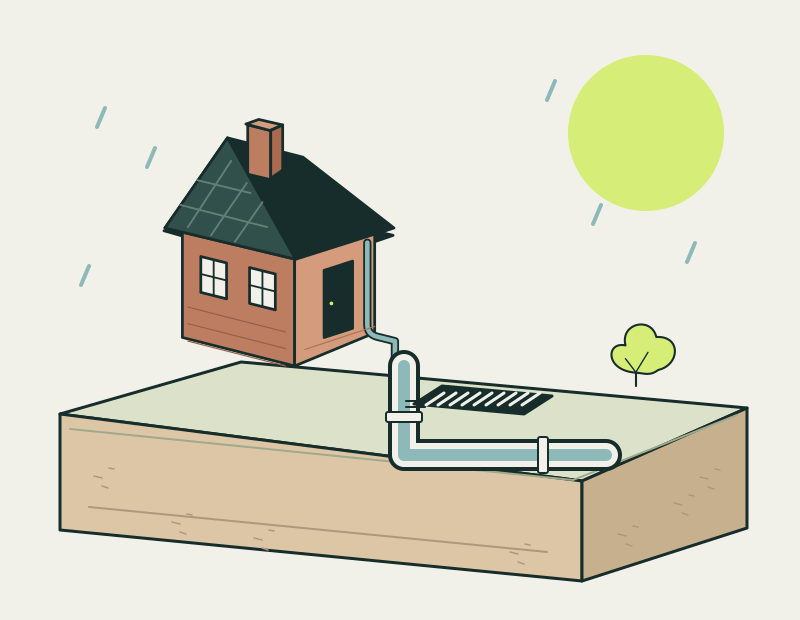
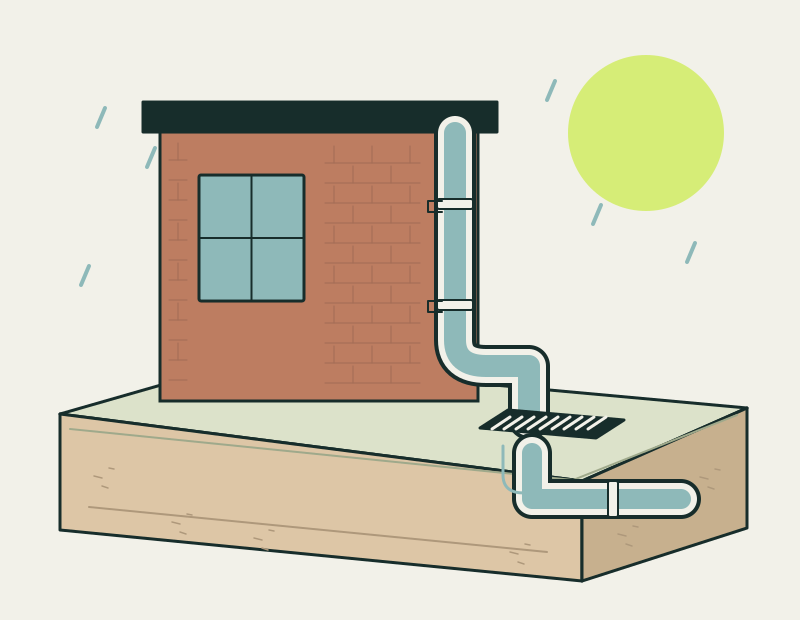
Start at the base of the downpipe and note where water goes during rain. It may enter a gully, connect directly to pipework or spill onto the surrounding surface. An above-ground gutter or downpipe defect is a different job from a restriction or missing connection below ground, even if both leave water beside the building.
Repair a connection or install a rainwater drain
Downpipe drainage focuses on the point where roof water joins the ground system. New rainwater drain installation covers a longer route that needs creating or extending. If water already enters a gully but backs up, investigate its condition and outlet before assuming a new run is necessary.
Check receiving drains and outlet suitability
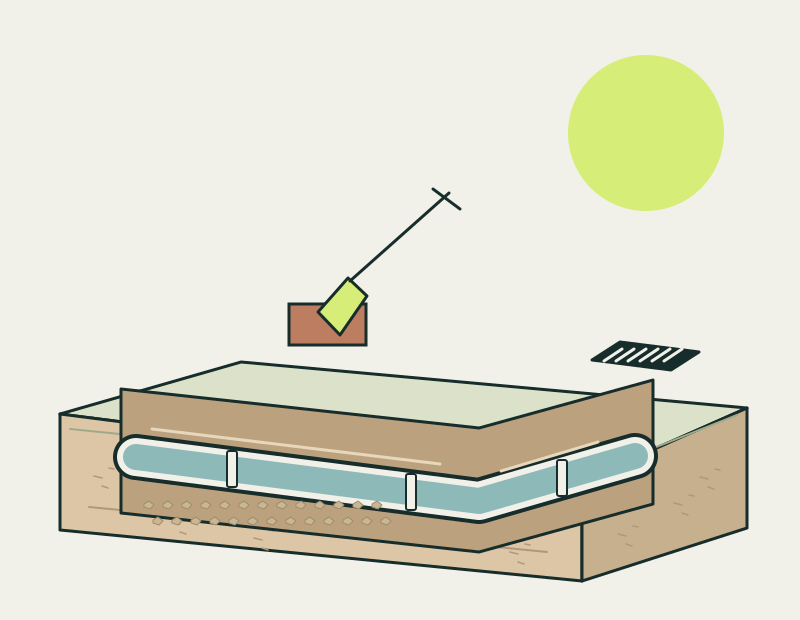
Establish the receiving system and whether it can appropriately take the proposed flow. A visible connection does not prove the outlet is clear, suitable or authorised for that use. Unknown routes may need tracing or inspection. Where infiltration is considered, ground suitability needs to be established before choosing the destination.
Details for a rainwater drainage quote
Include the roof-water source, downpipe position and what happens in rain. Drawings and photographs can show the connection and surfaces likely to be affected. Ask the quote to identify the proposed route, outlet checks and reinstatement, with any wider drainage work separated from repair of the immediate connection.
Practical drainage questions
Your questions answered
What if the downpipe simply empties onto the ground?
If it causes pooling, the receiving ground or connection needs assessment. Photograph the downpipe base during rain; a nearby gully should not be assumed to connect to a suitable outlet.
Can an overflowing gully be the only problem?
Yes. If clearance restores normal drainage, a new installation may be unnecessary. Observe the next rainfall and retain the clearance findings if overflow returns.
How is the destination of an existing rainwater pipe checked?
Plans, tracing and inspection may help. Ask the report to distinguish a confirmed destination from one inferred from old drawings or the direction of the pipe.