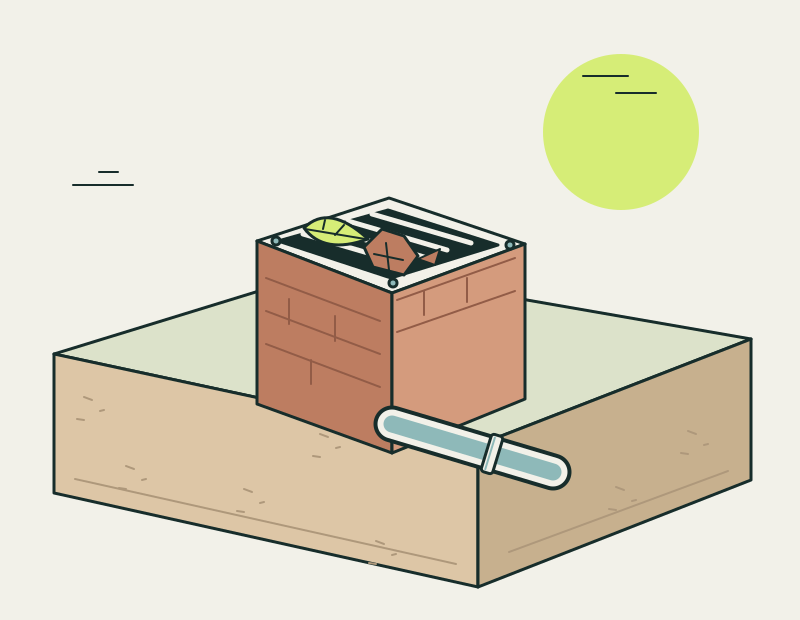
Why an inspection chamber fills
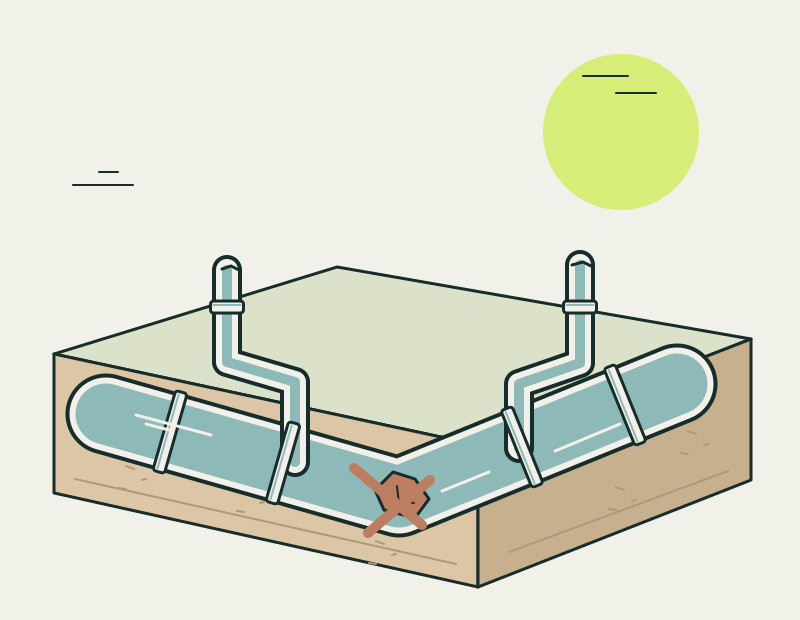
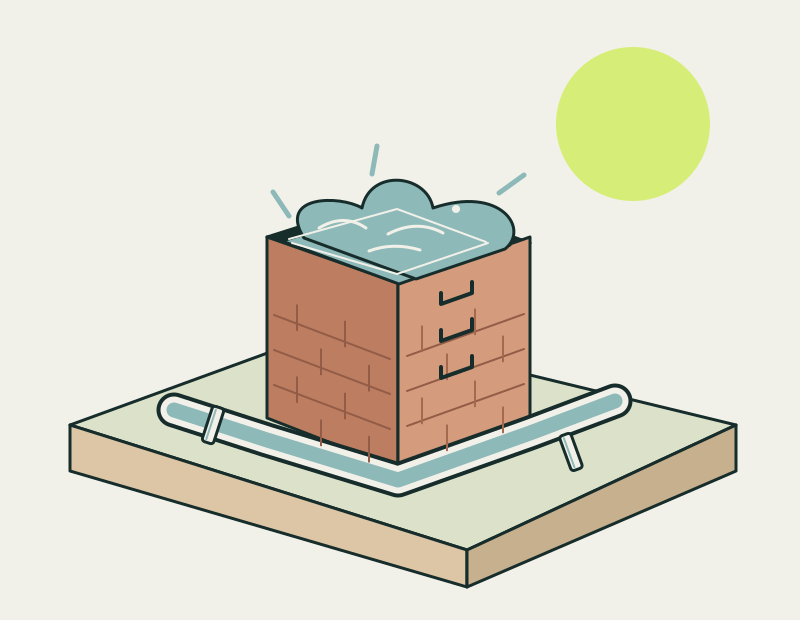
Water or sewage rising at a chamber is a symptom of drainage not leaving as expected. The obstruction may be in its outlet or further downstream. Do not enter the chamber or attempt to lift a heavy cover. Report visible overflow and any nearby fixtures that are backing up at the same time.
Check the connected drains
The connected drains help explain the extent of the problem. Mention several affected toilets, another overflowing access point or neighbouring properties with similar symptoms. These details can influence responsibility checks and the investigation route. The chamber's position inside a property boundary does not by itself prove the whole connected system is private.
Clearance through chamber access
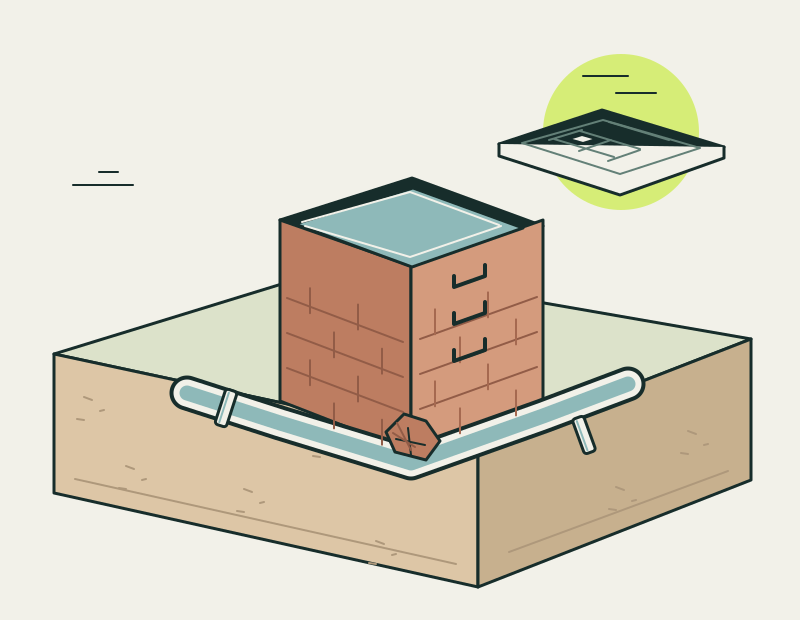
An accessible chamber can provide a working point for assessing and clearing a connected obstruction. Its cover, depth and surrounding area affect access. Explain if the cover is under decking, paving or a vehicle route. The clearance approach should be selected after the drainage layout and condition have been considered.
When the chamber also needs repair
Damaged internal channels, broken connections or defective chamber walls can need repair as well as clearance. Those defects are different from a sound chamber receiving backed-up water. Ask for findings that identify what is damaged and where, so any repair proposal addresses an observed problem rather than the overflow alone.
Details for a chamber clearance quote
State whether the overflow is active, what the chamber serves if known and who can provide access. Include previous reports and any relevant photographs taken safely. A useful enquiry separates the immediate flow problem from possible structural work and explains which checks are included before a further repair decision is made.
Practical drainage questions
Your questions answered
Does a full chamber mean the blockage is inside it?
No. Water can back up into a chamber from a restriction beyond it. Ask the clearance record to identify the blocked pipe or location, rather than simply describing a "full manhole".
What if two chambers are overflowing?
Report their positions and when each overflows. Two full chambers may be connected to one restriction; avoid commissioning separate jobs until the relationship has been assessed.
Can a damaged channel contribute to repeated blockage?
Yes. Broken or uneven channels can catch solids. Ask for a photograph or inspection finding showing the defect so a repair addresses confirmed damage rather than the overflow alone.