Identify foul, rainwater or process drainage
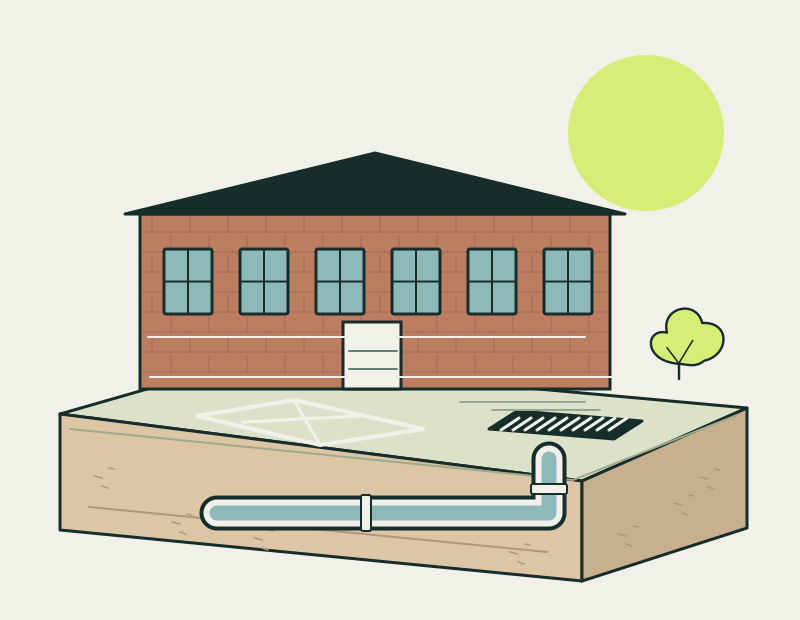
State whether the issue concerns staff facilities, roof drainage, a yard or a process system. These may need different methods and capabilities. Do not assume that a pipe's location identifies its contents or destination. Available plans and the site team's knowledge should inform the initial brief before cleaning or inspection is proposed.
Declare industrial hazards and scope limits
Declare relevant contents, possible contamination, restricted areas and the site's procedures. A conventional drainage scope should not be assumed to include hazardous-waste handling, treatment equipment or interceptor servicing. Ask the provider to confirm suitability and exclusions for the actual system so specialist requirements are resolved before any work is agreed.
Drainage access around site operations
Vehicle routes, loading, security and induction can affect equipment access and timing. Identify the person authorised to coordinate the work and any permits or site controls required. Confirm the available working window directly with the provider and explain which operations or facilities would be affected by restrictions on drainage use.
Use site records to scope the drainage work
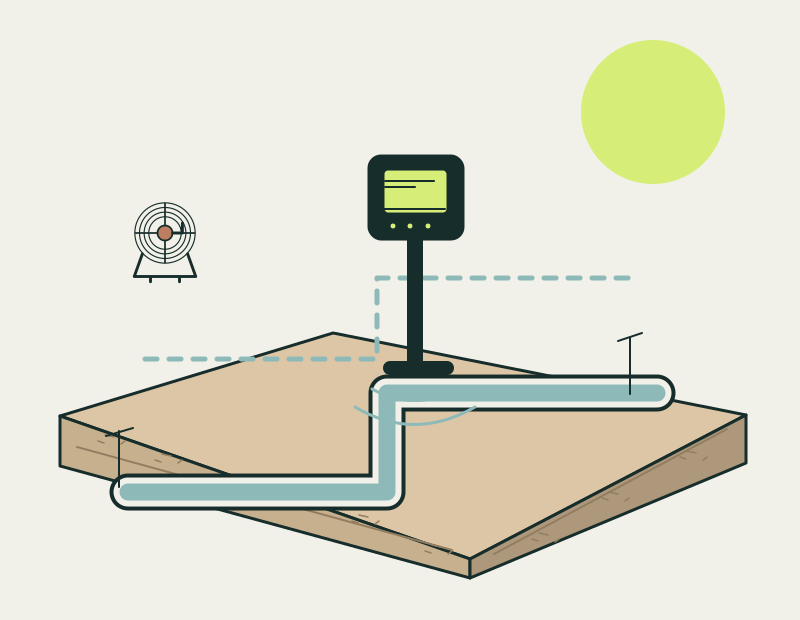
Previous findings, route plans and maintenance records can help target inspection or cleaning. On a large site, specify the area and network rather than assuming a survey covers every connected run. Ask how uncertain routes and inaccessible sections will be reported, particularly where several systems cross the same operational space.
Details for an industrial drainage quote
Include the affected system, site controls and desired outputs in the enquiry. Separate confirmed ordinary drainage work from components needing specialist assessment. Compare quotes against the same boundaries, with access assumptions, records and exclusions clearly stated. An acquisition survey has a different purpose and should be scoped through the commercial purchase page.
Practical drainage questions
Your questions answered
Can an ordinary drainage enquiry include process drains?
Only if the provider confirms it can handle the stated system and contents. List process drains separately from ordinary foul or rainwater drainage so the scope cannot be misunderstood.
What information is needed about possible contamination?
Provide available site hazard records, known contents and relevant safety data to the provider. State any unknowns explicitly rather than describing an unverified system as uncontaminated.
How should a survey be scoped across a large industrial yard?
Mark the boundary and number the runs or access points on a plan. Ask the report to distinguish inspected, inaccessible and excluded areas so "yard survey" does not imply complete coverage.