When the drain route is unknown
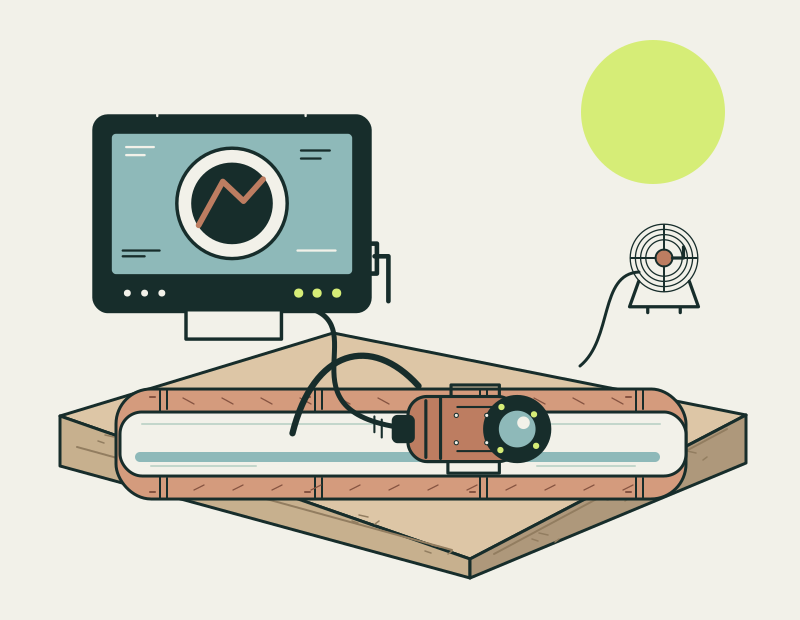
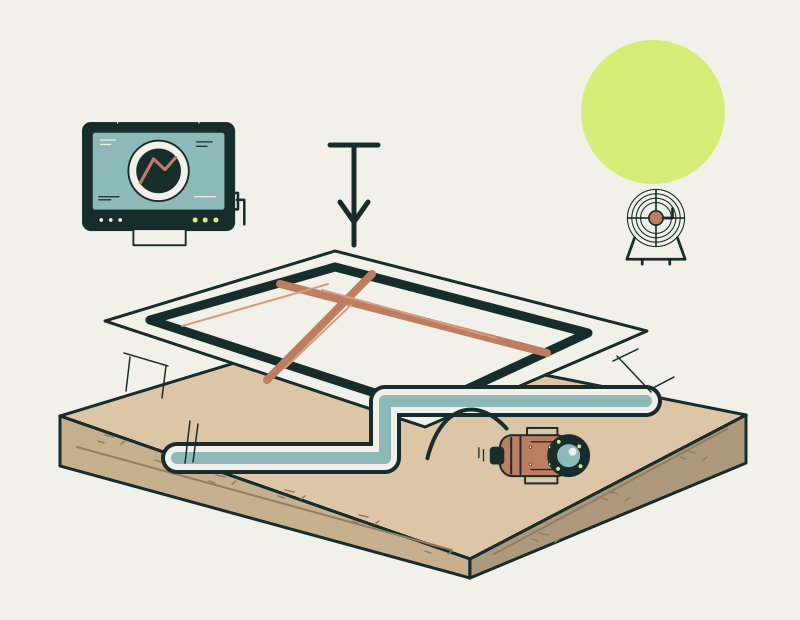
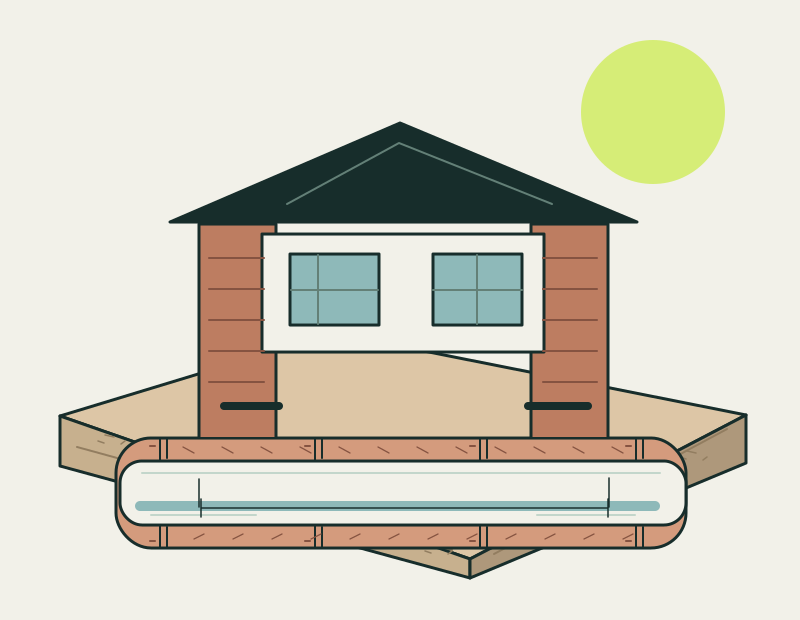
Missing plans, hidden connections and an inaccessible-looking drain route can complicate repairs or proposed building work. Tracing may help locate the route of an accessible pipe or the position of a known finding. Explain whether your priority is an individual defect, a connection or the drainage layout across a wider area.
Drain tracing coverage and limitations
The available access and locating method affect what can be established. Ask which sections can be followed and how any depth information will be described. Tracing is not a promise to find every buried pipe, and location information should carry the limitations relevant to how it was obtained and how it will be used.
Record the route and located points
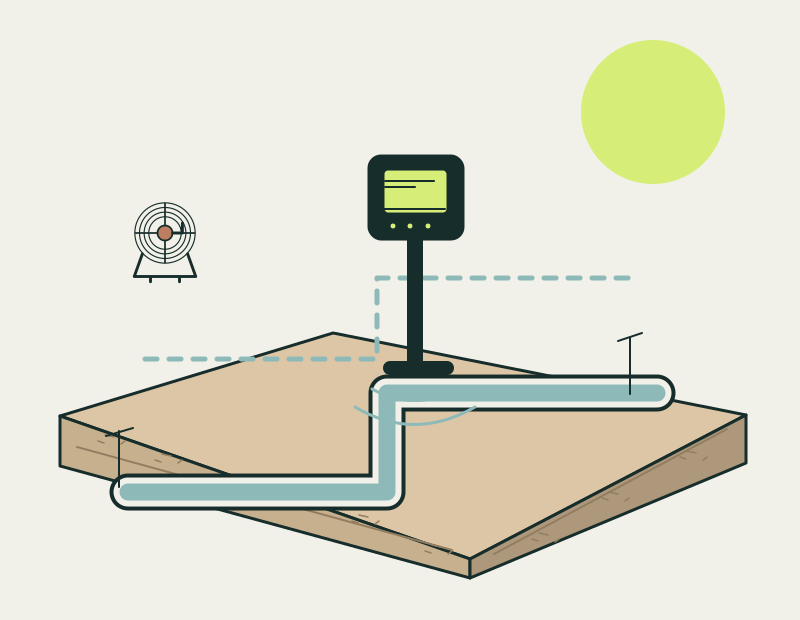
Surface marks, a sketch and a measured plan are different deliverables. Agree the record you need and the accuracy required by the person using it. If a designer or contractor has a specification, provide it at the enquiry stage so the quoted output can support the intended decision.
Tracing alongside inspection and other checks
Locating a drain does not show its full internal condition unless inspection is also included. It is also not a complete check for every buried service or permission to excavate. For construction, coordinate the tracing with the project's broader survey and safety requirements rather than treating a marked line as the only information needed.
Details for a drain tracing quote
Provide any old plans, known chambers and the area you want covered. Explain why the location matters and who will use the result. The quote should distinguish the tracing itself from camera inspection, report preparation or additional work needed to gain access to parts of the system.
Practical drainage questions
Your questions answered
Can tracing find a drain without an existing plan?
Yes, missing plans do not automatically prevent tracing. Identify accessible chambers or pipe entries and ask what parts of the route the proposed method can realistically establish.
Does tracing also show pipe damage?
No. Tracing locates pipework; internal inspection assesses visible damage. If both are required, ask for the defect record and corresponding ground position to be linked in the results.
What if the pipe cannot be accessed along its full route?
The record should distinguish confirmed points from inferred or untraced sections. Ask how those gaps affect your intended use of the plan before relying on it for further work.