
Existing drains within the building project
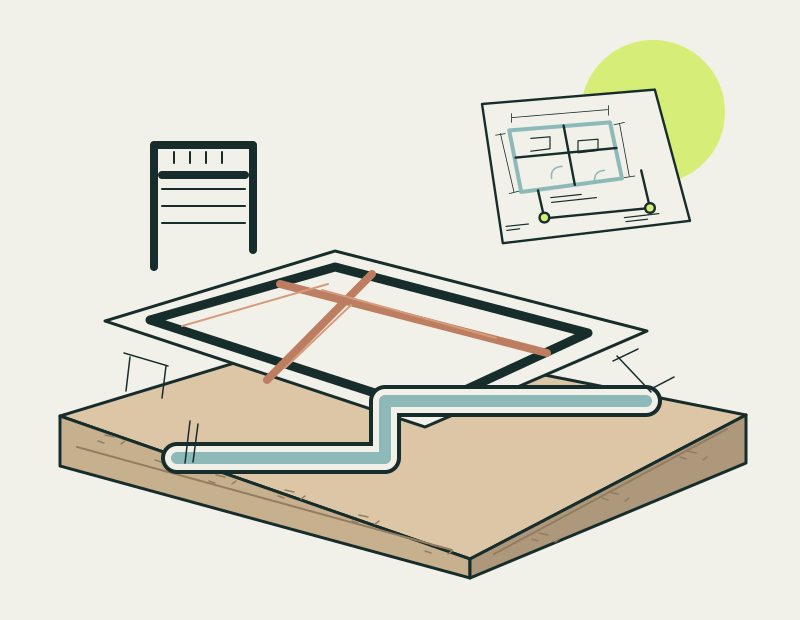
A proposed footprint may cross an unknown drain, sit near an existing sewer or change access to a chamber. Establish the drainage information the project needs while choices can still be reviewed. Finding a route late in the work can leave decisions unresolved that would have been better addressed during planning.
Pre-construction or build-over surveys
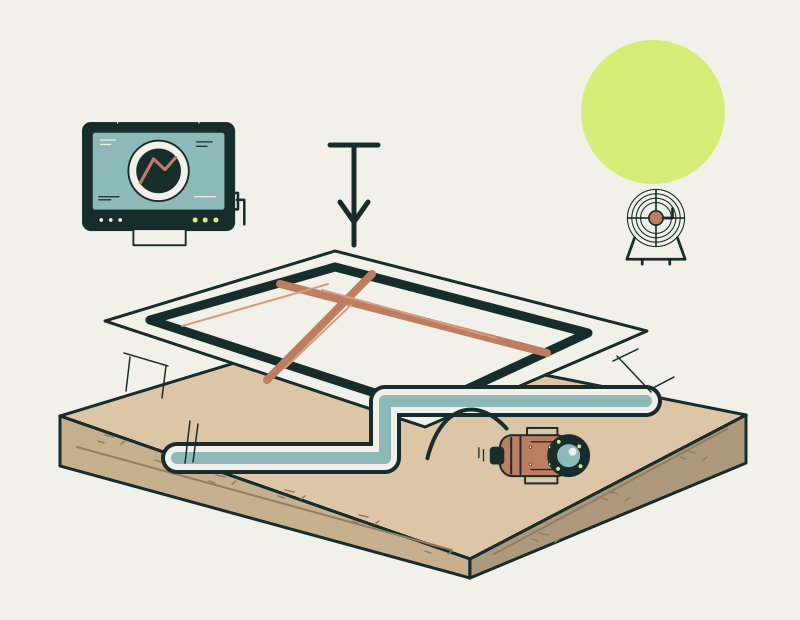
A pre-construction survey establishes agreed information about existing routes and condition. A build-over survey is scoped around evidence needed for work near or over drainage assets. The methods may overlap, but the required outputs and intended recipients can differ. Select the purpose before assuming a standard camera visit is sufficient.
Agree drainage evidence with the project team
Ask the designer and relevant body what plans, condition evidence or measurements they need. Supply that requirement with the enquiry, along with the proposed works. Survey findings inform the project; they do not themselves approve construction or settle whether a particular design is acceptable near an existing drain or sewer.
Use drain findings in the design
An unknown route, inaccessible section or damaged pipe may need another check before the team can make a decision. Record what has been established and what remains open. For the quote, include the project plans, required survey outputs and intended timing so the work contributes usable information to the next design stage.
Planning help: Plan your building-project survey brief
Practical drainage questions
Your questions answered
Should a survey happen before the design is final?
Usually, while the design can still respond to drainage findings. Ask the designer which decisions depend on the survey so the right information arrives at the right stage.
Is a build-over survey the same as a general CCTV survey?
No. CCTV is an inspection method; a build-over survey has a project-specific evidence purpose. Check required plans and records rather than relying on the service name alone.
Who decides which survey outputs the project needs?
The project designer and intended recipient should define them with the survey provider. Pass on written requirements so the quotation can be checked against the actual submission needs.