Waterlogged ground or surface runoff
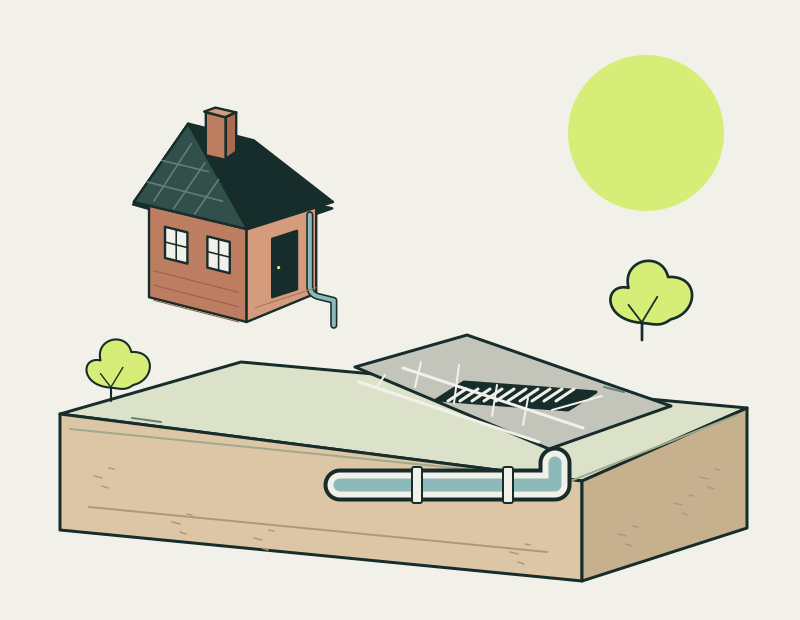
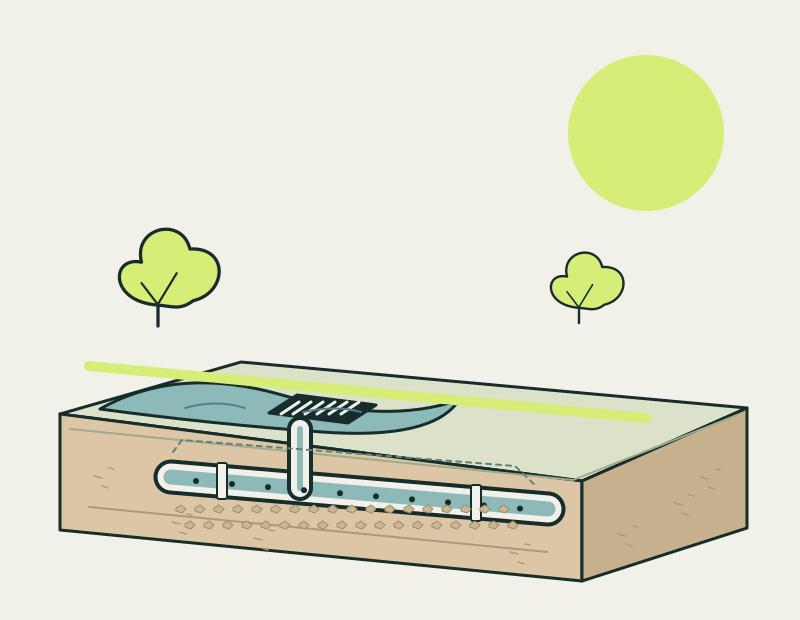
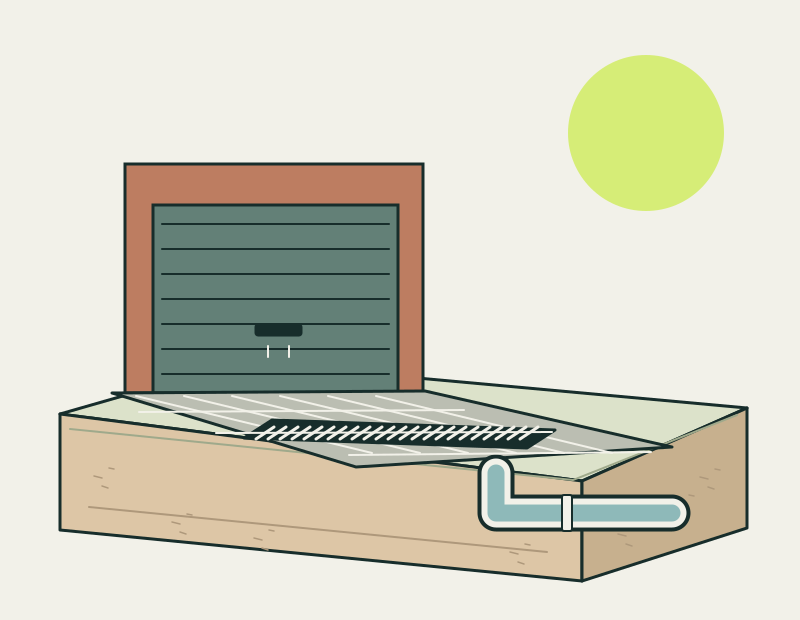
A lawn that remains saturated behaves differently from rainwater running over paving. Some sites have both, with runoff from a hard surface entering a low garden area. Notice where the water begins, where it moves and how long it remains. That is more useful than assuming the nearest drain is the cause.
Garden or driveway drainage
Garden drainage focuses on ground conditions, waterlogging and how the space is used. Driveway drainage considers surface collection, levels and traffic as well as the outlet. Choose the page matching the affected setting, then include any connected area that contributes water so the enquiry does not stop at an artificial boundary.
Identify a suitable destination for water
Collected water needs a suitable destination. A channel, buried drain or infiltration system has to fit the site and its constraints rather than simply move the problem elsewhere. Existing drainage may also need checking. Ask how the proposed collection measure connects to the wider route and what evidence supports that choice.
Record rainfall and drainage patterns
Record the affected area during rainfall from a safe position and note how it changes afterwards. Include recent paving, landscaping or building work and any known outlet. For the quote, define the drainage work and making good separately from unrelated garden or surfacing improvements so the scope remains clear.
Practical drainage questions
Your questions answered
Why can water collect even when nearby drains are clear?
Water may not reach the inlet because of surface levels or ground conditions. Photograph the route towards the puddle, not just the nearest clear grate.
Could runoff from one area be flooding another?
Yes, especially where a higher hard surface drains towards lower ground. Show both areas in your photographs so the proposed work addresses the incoming water as well as the collection point.
Does every drainage scheme require a new soakaway?
No. The appropriate outlet may already exist or require another arrangement. Ask the proposal to explain where collected water will finish, whichever collection method is chosen.