Where and when the garden stays wet
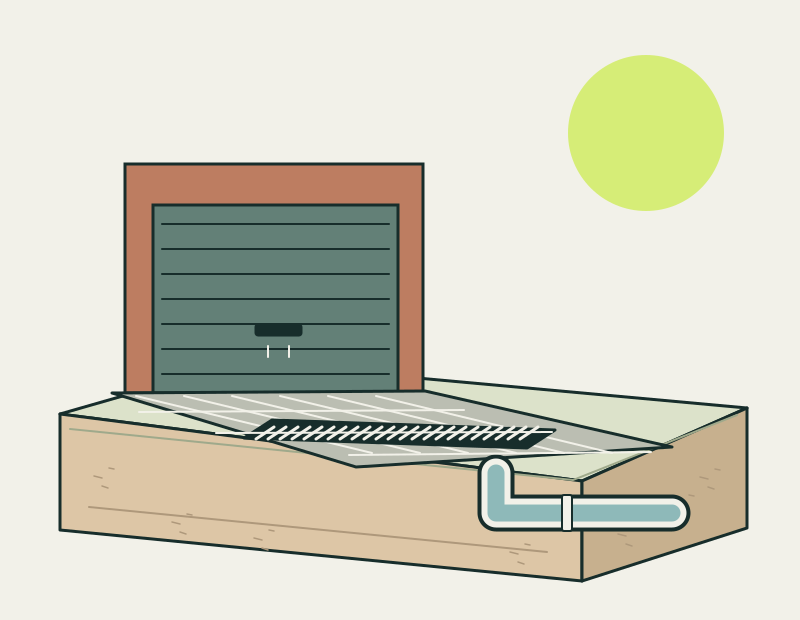
Record whether the whole lawn stays wet, water gathers in one low area or runoff arrives from an adjoining surface. Note how long the problem lasts after rain and whether it is seasonal. A recent change to paving or levels can be useful context without proving that it is the only cause.
Soil conditions and surrounding levels
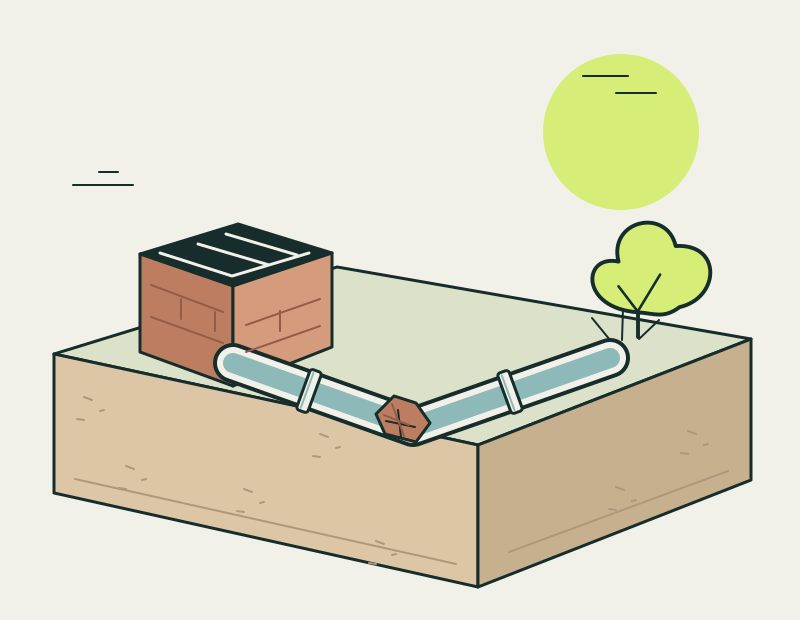
Infiltration, compaction, surface shape and incoming water can each influence the problem. A site assessment should consider the actual ground rather than assume one soil type across Sudbury. Explain any retained trees, structures or neighbouring boundaries that may affect where work can take place or where collected water could go.
Match garden collection drains to an outlet
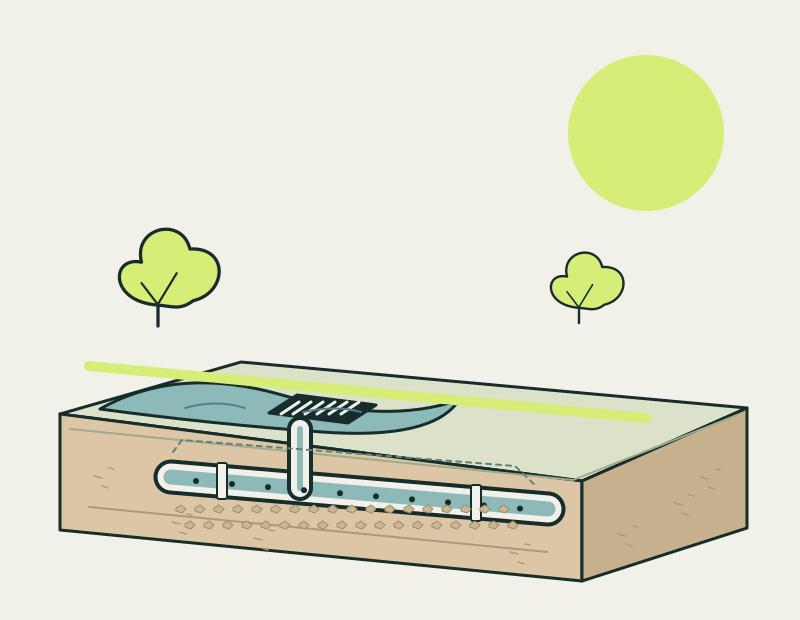
Collection drains or other measures only help when they suit the source of the water and have an appropriate destination. A proposed soakaway needs its own suitability checks. Ask how the suggested approach addresses the observed waterlogging and whether any contributing runoff should be dealt with before adding drainage inside the garden.
Plan drainage around garden use
Access for work, retained planting and reinstatement can make a substantial difference to the project. Identify areas that need preserving and how the garden is used. Agree what happens to disturbed lawn, soil and paths, and whether landscaping beyond making good is part of the quote or a separate task.
Details for a garden drainage quote
Include photographs, a rough affected area and the rainfall pattern. Mention changes to the property and any known drainage route. The enquiry should describe the problem you want resolved and the constraints, leaving the precise arrangement to assessment rather than requesting an arbitrary length of drain without knowing its outlet.
Planning help: Prepare for a garden drainage assessment
Practical drainage questions
Your questions answered
Can drainage help a lawn that stays wet for days?
It can, if the cause and outlet support a drainage solution. Record how many dry days it takes to improve; persistent saturation and brief surface pooling need different assessment.
What if water runs into the garden from elsewhere?
Show where it enters and when it happens. Avoid changing levels or diverting water across boundaries before the source and an appropriate route have been assessed.
Does a waterlogged garden automatically need a soakaway?
No. Poor infiltration may be part of the waterlogging problem. Ask what evidence shows a soakaway would work at the proposed position rather than add another saturated area.