Locate the outdoor overflow
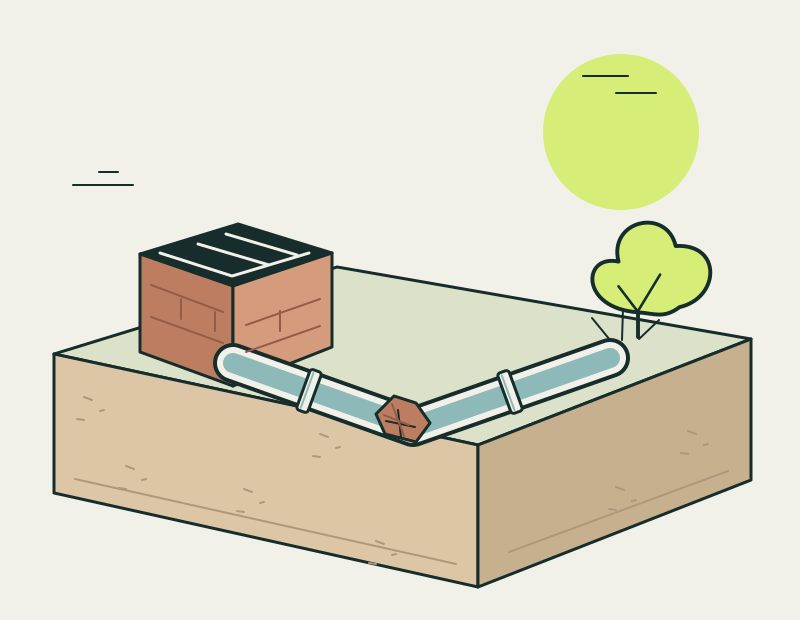
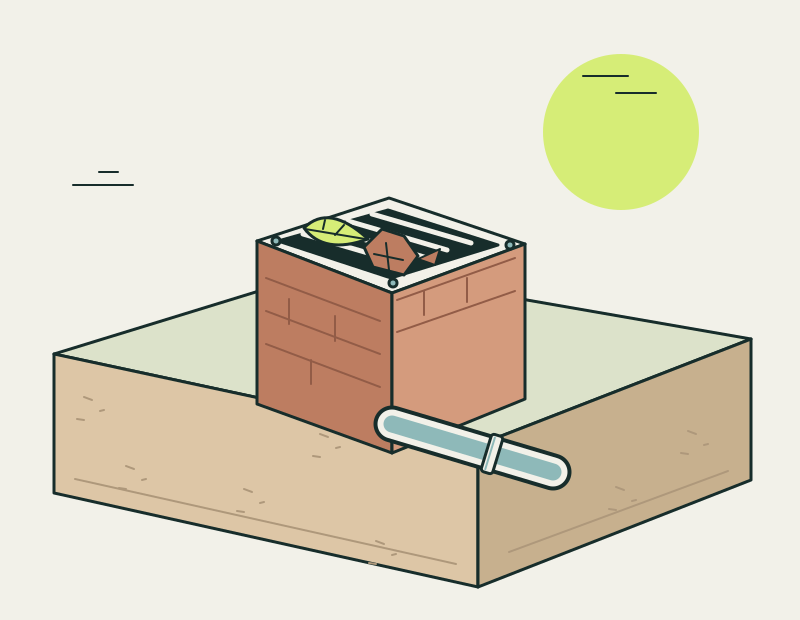
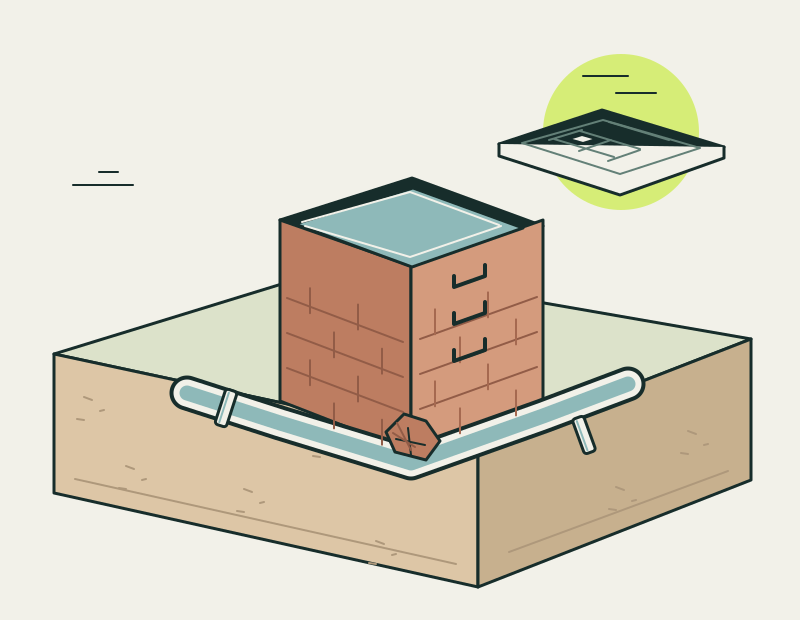
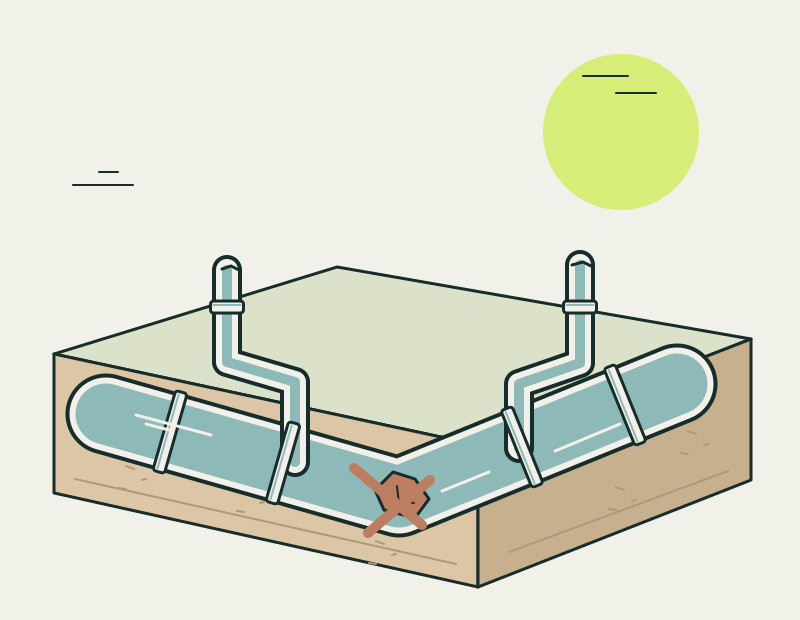
An open gully collects water at ground level, while a covered inspection chamber gives access to connected drains. An overflowing chamber can reveal a restriction beyond it. You do not need to open a cover to describe the visible symptoms; report the location, where water emerges and what happens when nearby fixtures are used.
Rainwater or wastewater blockages
Overflow during heavy rain differs from a backup whenever a sink or toilet empties. Record the timing, smell and affected outlets without assuming appearance alone identifies the pipe's use. A rainfall problem can involve an obstruction, inadequate collection or an unsuitable outlet, so clearance is not always the complete solution.
Drain access and responsibility
Check who can authorise access and whether neighbouring properties have similar symptoms. Shared or public drainage needs ownership confirmation before private work is commissioned. Do not enter chambers or attempt to lift heavy or unstable covers. Tell the specialist about paved-over access points, locked areas and anything that makes the site difficult to approach.
Gully, chamber or sewer clearance
Use the gully page for a collection point that will not take water, the chamber page for backups visible at an access point, and the sewer page for wider main-drain symptoms. Where the drain is clear but rainwater still collects, the surface water pages cover assessing the collection and disposal arrangement.
Details for an outdoor clearance quote
A useful enquiry includes photographs from a safe position, the location of visible overflow and whether the issue follows rainfall or fixture use. Mention any earlier clearance and how long it helped. Ask what the initial assessment covers and how any additional investigation or structural work would be agreed.
Practical drainage questions
Your questions answered
Is standing water in an outside drain always a blockage?
No. A trapped gully normally holds some water. The useful clue is whether the level changes abnormally or spills out when water enters, rather than whether it is completely dry.
What if the chamber overflows only when it rains?
Rainwater may be reaching a restricted or overloaded route. Note whether the chamber settles soon after rain stops or stays full, without lifting the cover to investigate.
Who should check whether the pipe is shared?
Start with the owner or managing agent for available plans, then ask the sewerage company about its assets. Do not infer ownership from the number of properties affected alone.