
Identify the damaged chamber or gully
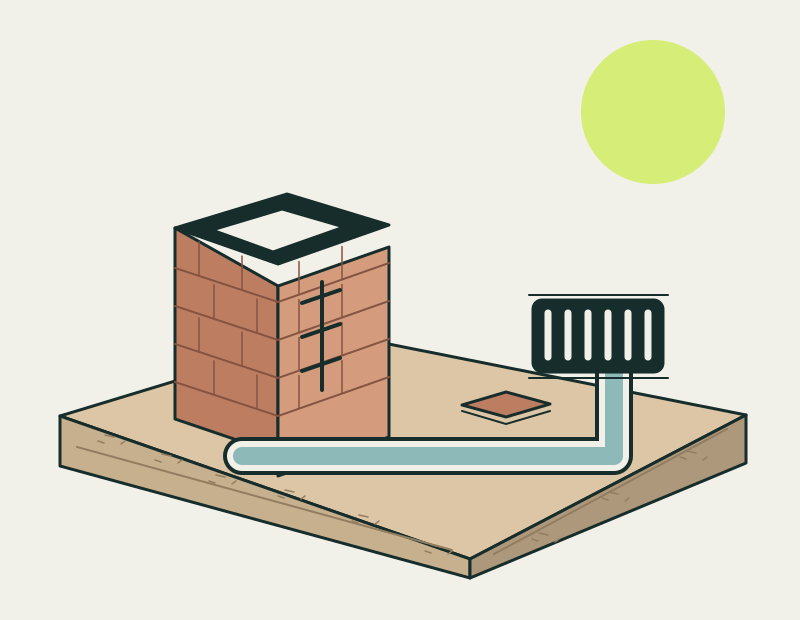
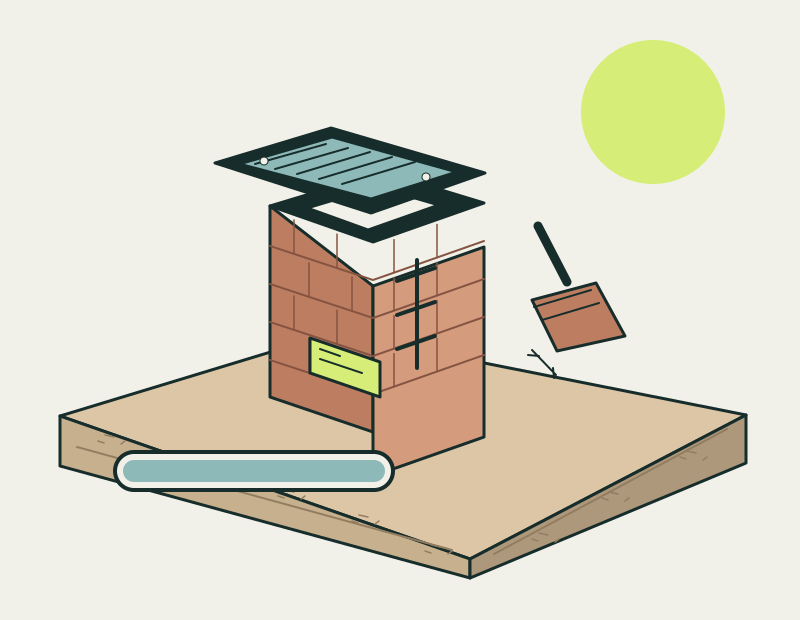
An inspection chamber provides access to connected drains, while a gully collects water at a surface outlet. Covers, frames, walls and internal channels have different roles. Describe the visible defect and location without entering the structure or testing a broken cover. A photograph taken safely can help define the initial enquiry.
Structural damage or a drain blockage
Overflow does not necessarily mean the structure is damaged. A sound chamber or gully can fill because its outlet is restricted. Conversely, a damaged channel or connection may need repair even after flow is restored. Ask the assessment to distinguish the obstruction from any confirmed structural defect before choosing the work.
Chamber repairs or gully replacement
Use the chamber repair page for covers, frames, walls and internal channels. Use gully replacement for a damaged or unsuitable collection point. Explain whether the feature lies in a pedestrian area, driveway or other trafficked space, because the setting matters to the assessment and proposed replacement specification.
Site details for a structure repair assessment
Include access details, surrounding surface condition and any visible signs of damage. If the feature is unstable or unsafe, keep people away and make that clear in the enquiry. Compare the repair scope, connected-pipe checks and reinstatement so the quote addresses the whole affected feature rather than only its most visible part.
Practical drainage questions
Your questions answered
Is an overflowing chamber necessarily damaged?
No. A downstream blockage can fill an otherwise sound chamber. Ask for separate findings on flow and structural condition before authorising both clearance and repairs.
Can a broken cover be assessed separately from the chamber?
Yes. Provide the visible cover dimensions and location if safe to do so, but let the specialist confirm frame compatibility and support before ordering a replacement.
Does a gully need replacing if it repeatedly blocks?
No. If the gully is sound, clearing or repairing its outlet may be the relevant work. Ask what evidence makes replacing the collection point necessary.