Signs of a blocked toilet
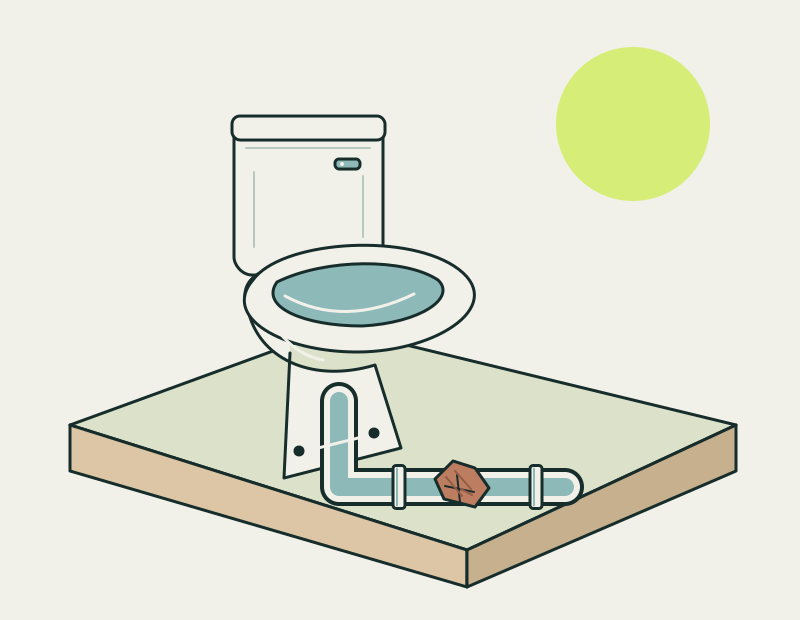
If water rises after flushing, stop repeated flushing before it overflows. Slow emptying can suggest an obstruction, while a weak flush can also involve the flushing mechanism. Explain what the water actually does and whether the bowl eventually empties; these details are more helpful than assuming every flushing problem is a blocked main drain.
A toilet blockage or a shared drain problem
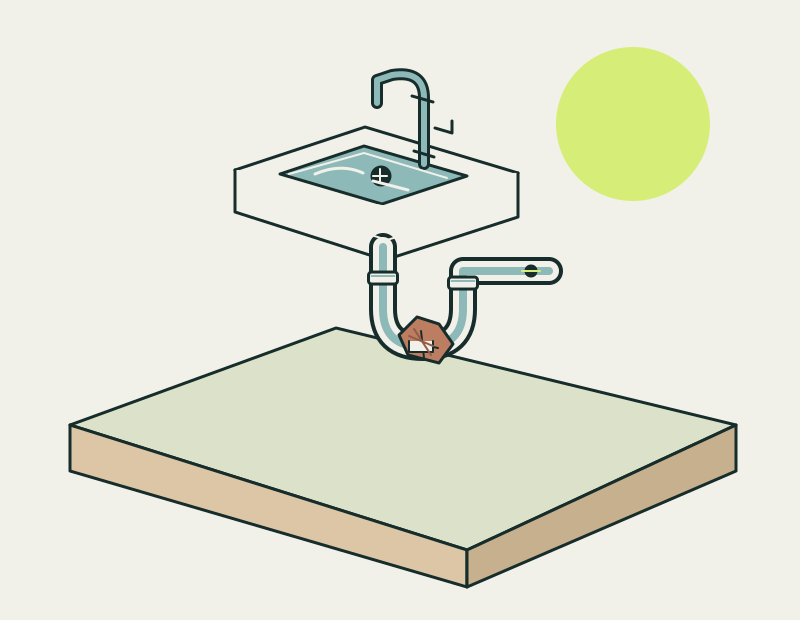
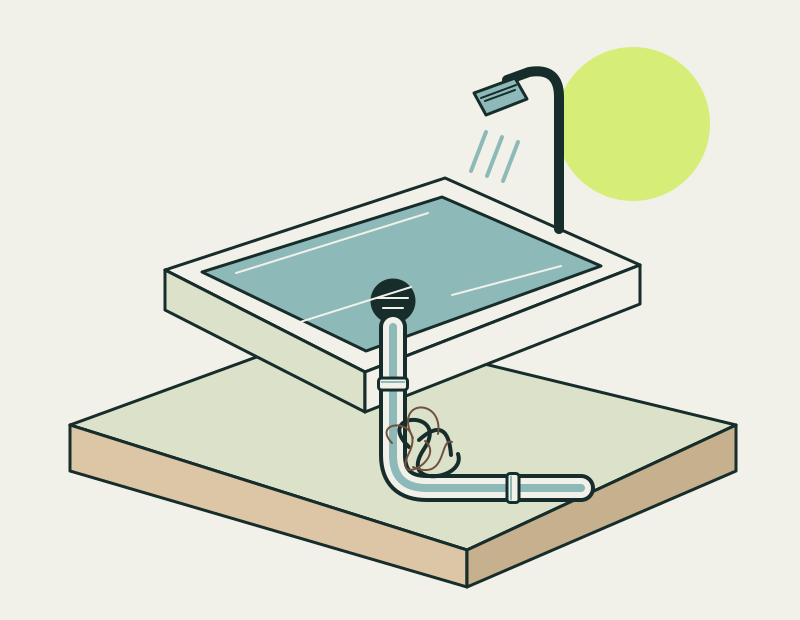
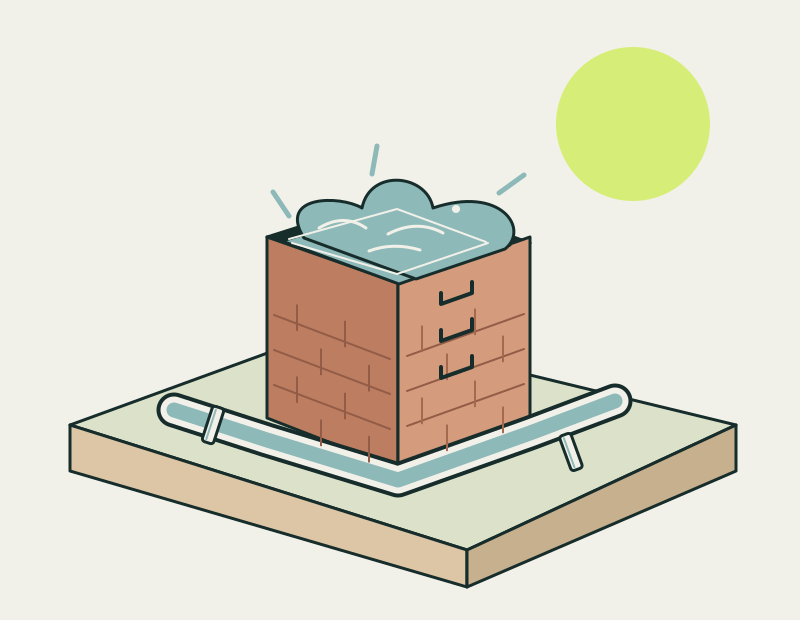
Check what you already know about nearby fixtures without deliberately causing another backup. A shower or basin affected at the same time can point towards connected pipework. An outside drain overflowing as well is worth reporting. A single toilet problem, by contrast, may remain local to the pan or its immediate outlet.
Access and assessment before toilet clearance
Assessment starts with the obstruction history and available access. Tell the specialist if an object may have entered the toilet or if there has been recent work. Some jobs can be approached through existing access, while others need a different arrangement. Ask what is included if access proves more involved than expected.
Investigate repeated toilet blockages
Repeated clearance without an explanation can leave the underlying problem unresolved. Keep a note of how often the blockage occurs and whether other outlets are affected. Further investigation may be appropriate where the pattern suggests a downstream defect or restriction rather than an isolated obstruction in the toilet.
Details for a toilet clearance quote
Include whether another toilet is available, whether water is escaping and who can provide access. Mention products already used and any known obstruction. A useful quote distinguishes the initial clearance from possible additional access, inspection or repairs, so the next step is clear if the problem extends beyond the toilet itself.
Practical drainage questions
Your questions answered
Why does the toilet fill before slowly emptying?
Water may be passing a restriction more slowly than the flush enters. Let the level fall and stop repeat flushing; report if it remains high even when the toilet is unused.
What if the shower also backs up?
Stop using the affected fixtures and report both together. Say whether the shower backs up only during flushing or also at other times, as the sequence matters.
Does a toilet need to be removed to clear a blockage?
Not always; clearance may be possible through the pan or another access point. If removal is proposed, confirm that refitting, sealing and checking for leaks are included.