Signs of a blocked drain
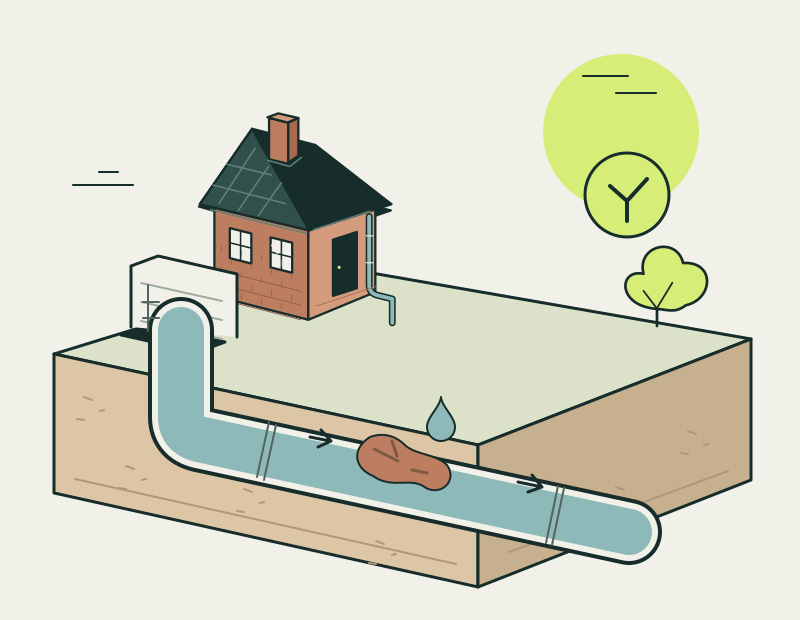
Notice whether one fixture is slow or several outlets are backing up together. A smell on its own is less specific than water rising during use. Record what triggers the symptoms, including flushing, emptying a sink or rainfall. Active sewage overflow belongs in an urgent enquiry, with the affected area clearly described.
Indoor and outdoor drain clearance
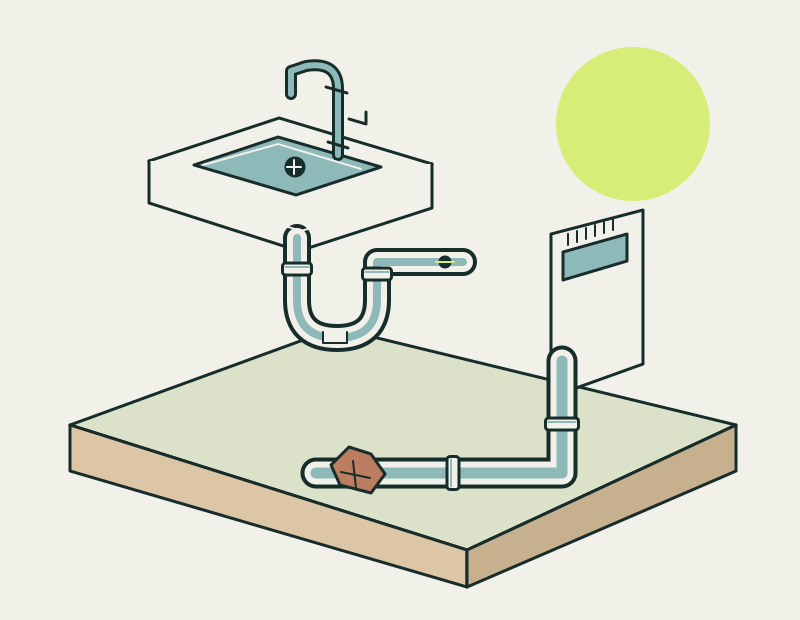
Indoor blockages are grouped by toilet, sink and shower. Outdoor problems are grouped by gullies, inspection chambers and sewer pipes. These are starting points for describing the job, not a diagnosis: a chamber overflowing outside may be revealing a blockage in a pipe beyond it rather than inside the chamber itself.
Cleaning methods for different blockages
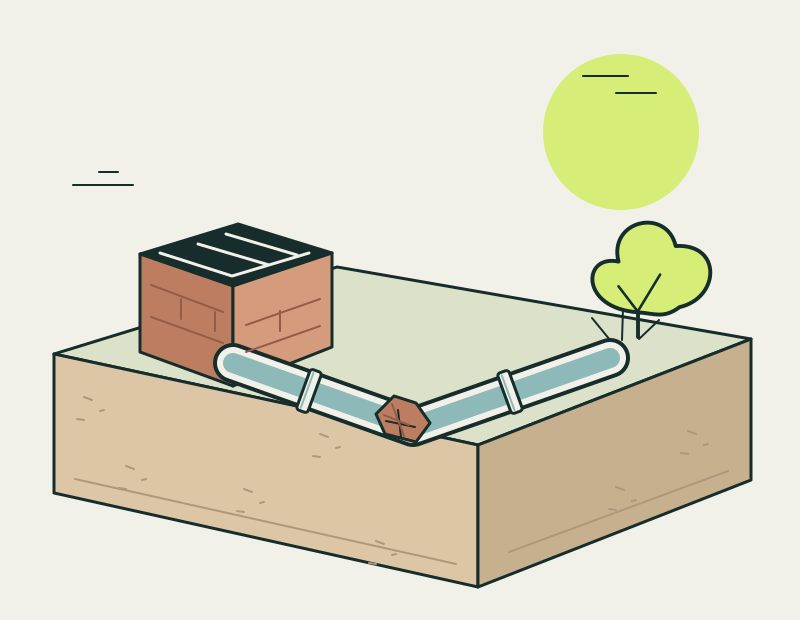
Drain cleaning may involve removing deposits, clearing debris or cutting intrusive roots with suitable equipment. The right approach depends on the obstruction, pipe condition and available access. Jetting should not be assumed suitable for every situation, and removing roots does not also repair the opening through which they entered.
Investigate repeated drain blockages
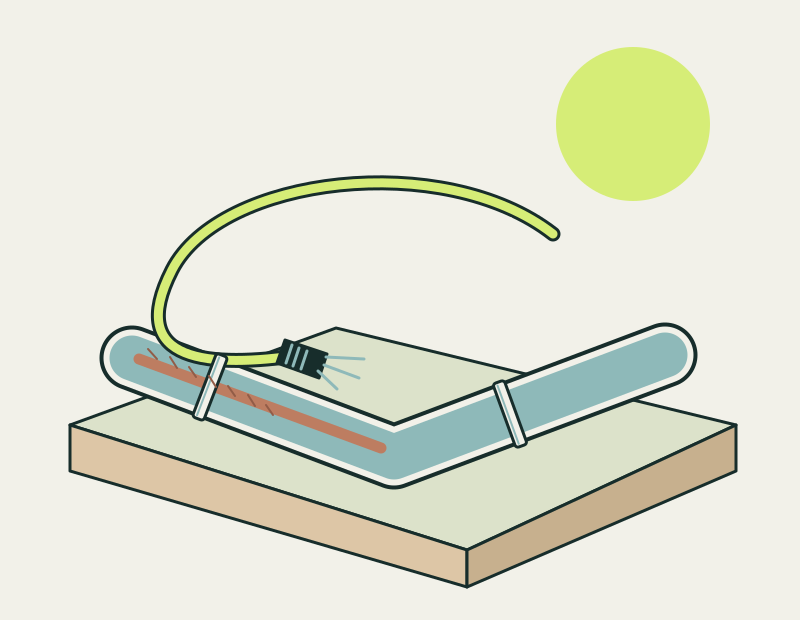
If clearance only helps temporarily, the next useful question is why the restriction returns. A camera inspection may reveal recurring deposits or a visible defect, while tracing can help locate an uncertain route. Keep previous findings so a new assessment can build on what is already known about the drain.
Details for a drain clearance quote
Describe the affected fixture or outdoor feature, when the symptoms began and anything already tried. Mention other affected properties, inaccessible covers and products used in the drain. This helps separate a straightforward clearance enquiry from a job that may need additional access, inspection or repair work before normal drainage can be restored.
Planning help: Prepare for a drain clearance visit
Practical drainage questions
Your questions answered
Why do several drains become slow at once?
They may join a restricted downstream pipe. Note which fixture became slow first and whether the others changed at the same time; this helps establish the pattern.
Can a drain smell without being blocked?
Yes. A dry trap or a faulty seal can let drain odours escape without a blockage. Mention whether the affected fixture is rarely used or the smell followed recent plumbing work.
When should a recurring blockage be surveyed?
Arrange investigation when a blockage returns without a clear explanation. Ask whether the drain should be inspected before cleaning, afterwards, or both, to capture useful evidence.